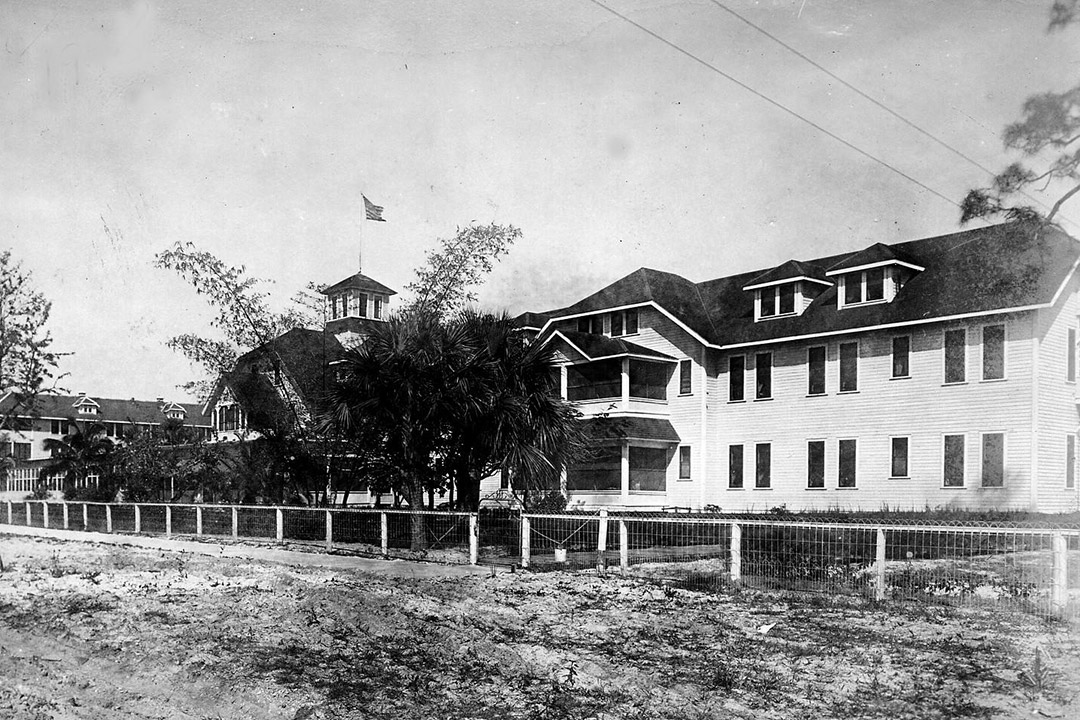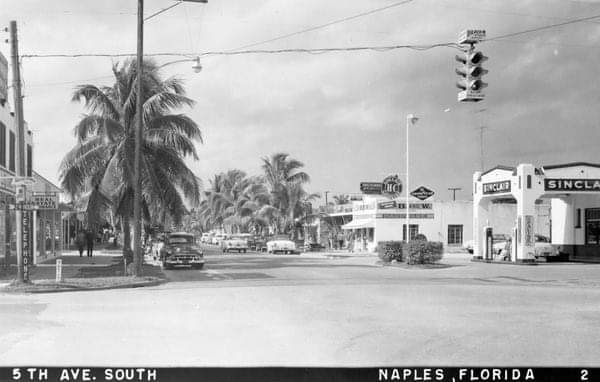
In the early 20th century, Southwest Florida was less a destination and more a frontier—wild, remote, and largely inaccessible. That changed dramatically thanks to one man with vision, wealth, and a relentless drive: Barron Collier. His influence on Naples and the surrounding region is so profound that it quite literally reshaped the map—giving rise to Collier County and setting the stage for the modern Gulf Coast we know today.
The Road That Built a County
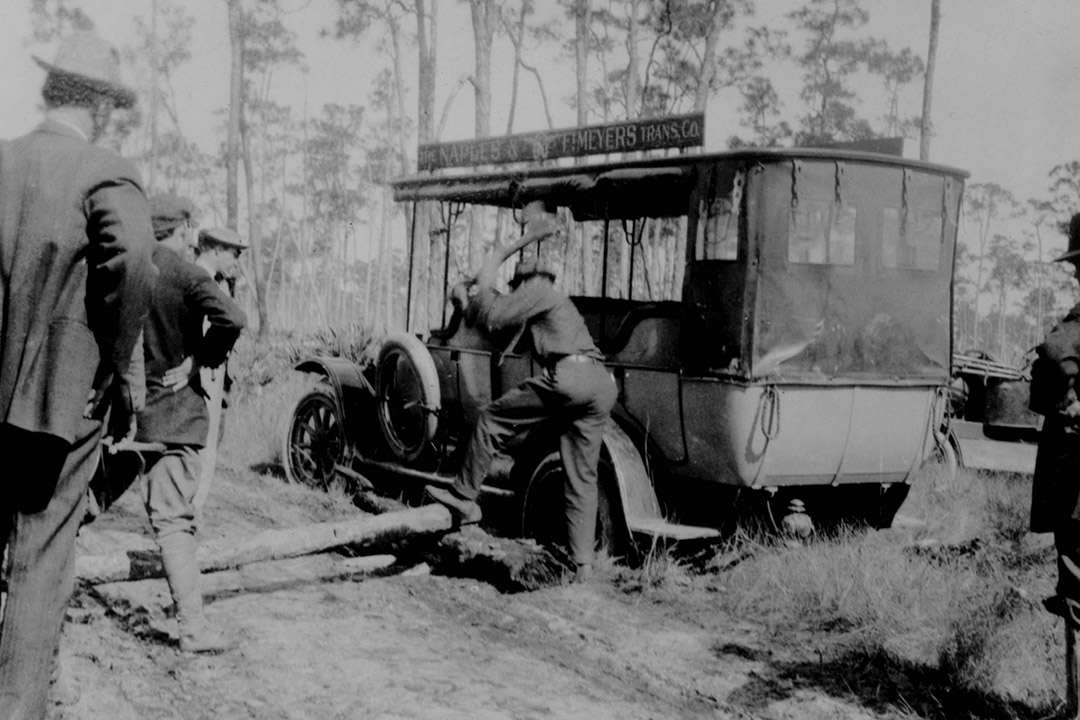
At the heart of Barron Collier’s legacy is the legendary Tamiami Trail—a rugged, ambitious highway carved through the unforgiving terrain of the Everglades. In the 1910s and 1920s, constructing a road across South Florida’s swamps was considered nearly impossible. But Collier saw opportunity where others saw obstacles.
When funding and momentum for the project began to falter, Collier stepped in with his own money—bankrolling large portions of the construction to ensure the trail’s completion. His investment wasn’t just financial; it was strategic. He understood that infrastructure would unlock the region’s potential, opening Naples and the surrounding lands to development, tourism, and commerce.
In return for his financial backing, Collier made a bold request to the state of Florida: create a new county from the sparsely populated southern portion of Lee County and name it after him. In 1923, the state agreed, and Collier County was born—one of the few counties in the United States named after its founder.
Land, Legacy, and Naples
With the creation of Collier County, Barron Collier began acquiring vast tracts of land—eventually owning more than a million acres. His holdings stretched across what would become Naples, Everglades City, and deep into the interior wilderness. These acquisitions weren’t just speculative; they were foundational. Collier envisioned a thriving region built on agriculture, timber, and tourism.
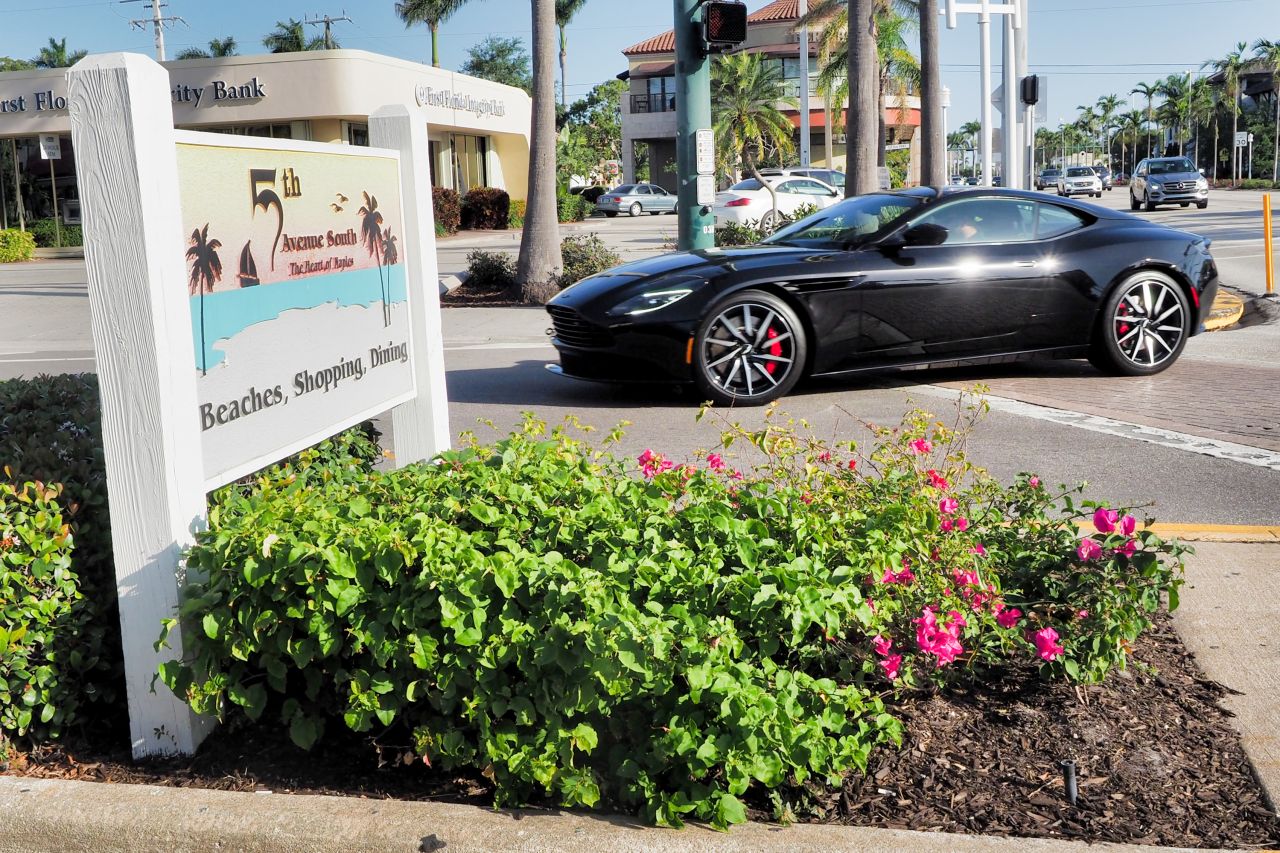
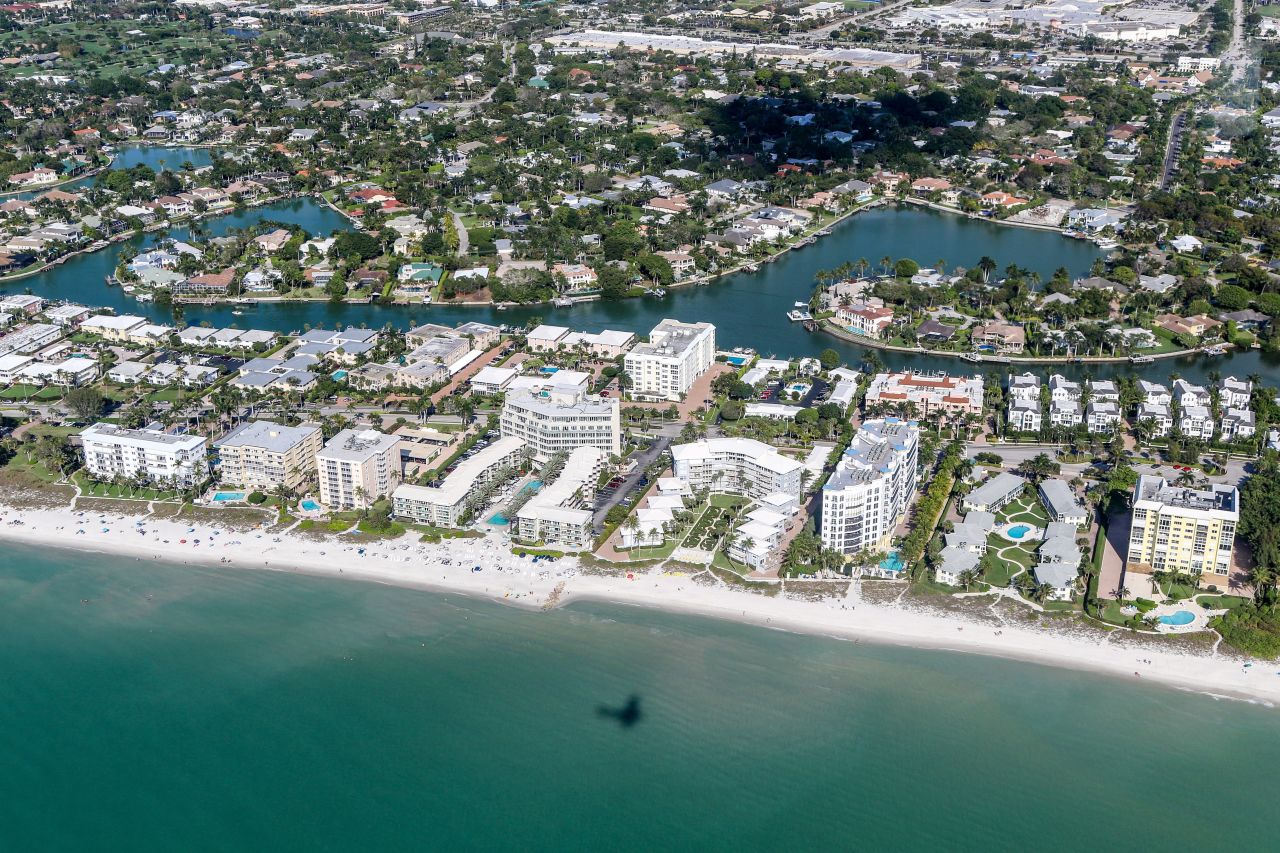
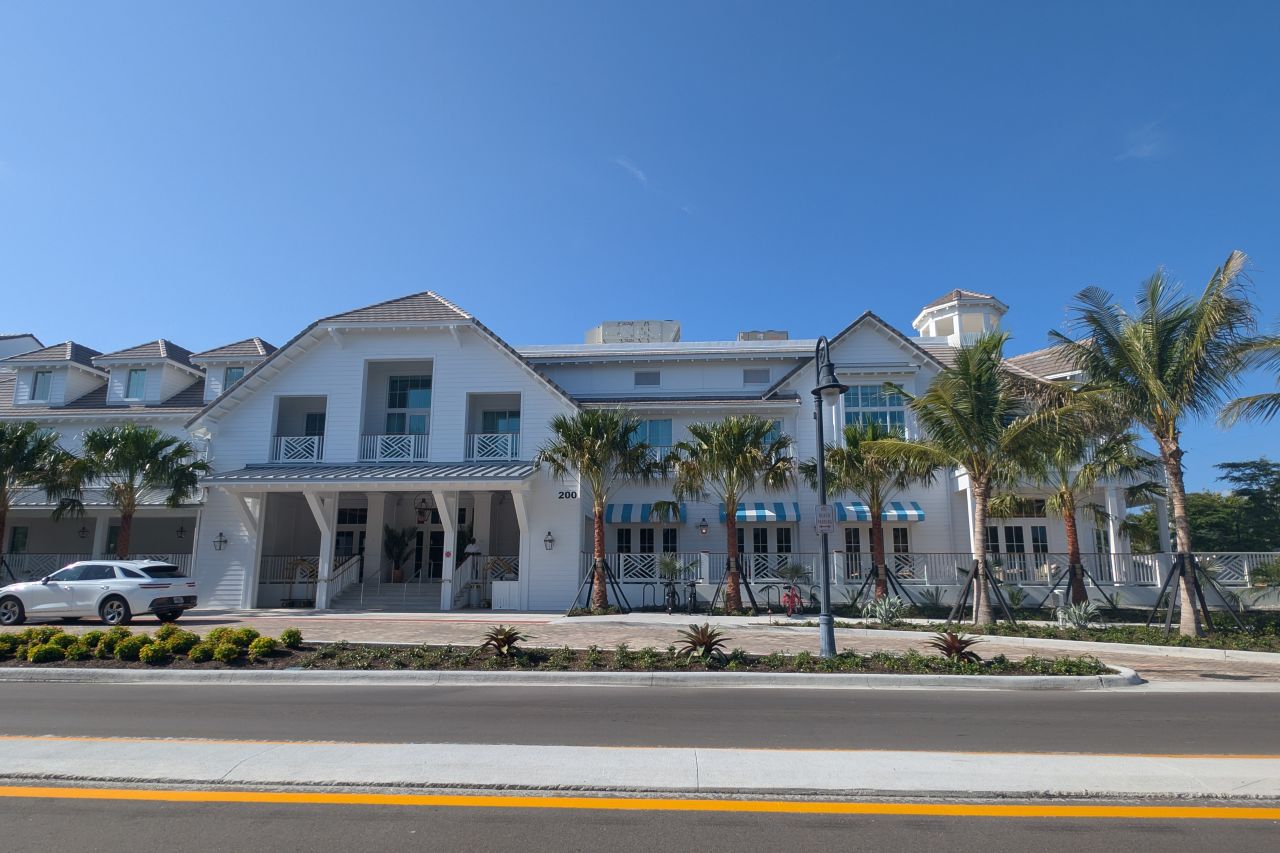
Naples, Florida, in particular, would grow into a jewel of the Gulf Coast, thanks in part to the accessibility made possible by the Tamiami Trail. Today, Naples is synonymous with luxury living, white-sand beaches, and world-class amenities—but its roots trace directly back to Collier’s early investments and belief in the region’s potential.
Business Empire and Final Years
Before his Florida ventures, Barron Collier had already built a fortune in advertising, most notably through streetcar signage in major cities across the United States. His business acumen allowed him to amass the wealth necessary to pursue his Florida ambitions. By the time of his death in 1939, Collier had transformed from a New York advertising magnate into one of the most influential landowners and developers in Florida history.
Inheritance and Tragedy
When Barron Collier passed away in 1939, his vast empire—including land holdings, businesses, and development interests—was left to his children. Among them were his sons, Miles Collier and Barron Collier Jr., as well as Samuel “Sam” Collier.
However, the transition of power was not without heartbreak. In 1941, just two years after inheriting their father’s legacy, Sam Collier tragically died in a plane crash while serving during World War II. His death marked a turning point for the Collier family and the future of their holdings in Collier County.
The Next Generation: Miles and Barron Jr.
Following Sam’s death, leadership and stewardship of the Collier empire increasingly fell to Miles and Barron Jr. The two brothers took different paths in managing and shaping their father’s legacy.
Miles Collier became deeply involved in the family’s business interests, continuing to oversee land management and development in Collier County. His influence helped guide the region through the mid-20th century, balancing conservation with growth as Naples evolved into a desirable destination.
Barron Collier Jr., meanwhile, maintained a lower public profile but remained an integral part of the family’s holdings. Together, the brothers ensured that their father’s vision endured, even as Southwest Florida entered a new era of modernization and expansion.
A Lasting Impact on Naples and Collier County
Today, the name Barron Collier is etched into the identity of Southwest Florida. From the highways that connect the region to the very name of Collier County itself, his legacy is impossible to ignore. Naples continues to thrive as one of Florida’s premier coastal cities, drawing visitors and residents alike with its beauty and lifestyle.
Yet behind the luxury and growth lies a story of ambition, risk, and resilience—a story of a man who bet on the future of a swampy frontier and won. Through the Tamiami Trail, the creation of Collier County, and the enduring influence of his family, Barron Collier didn’t just invest in land—he built a legacy that still shapes Naples, Florida to this day.